
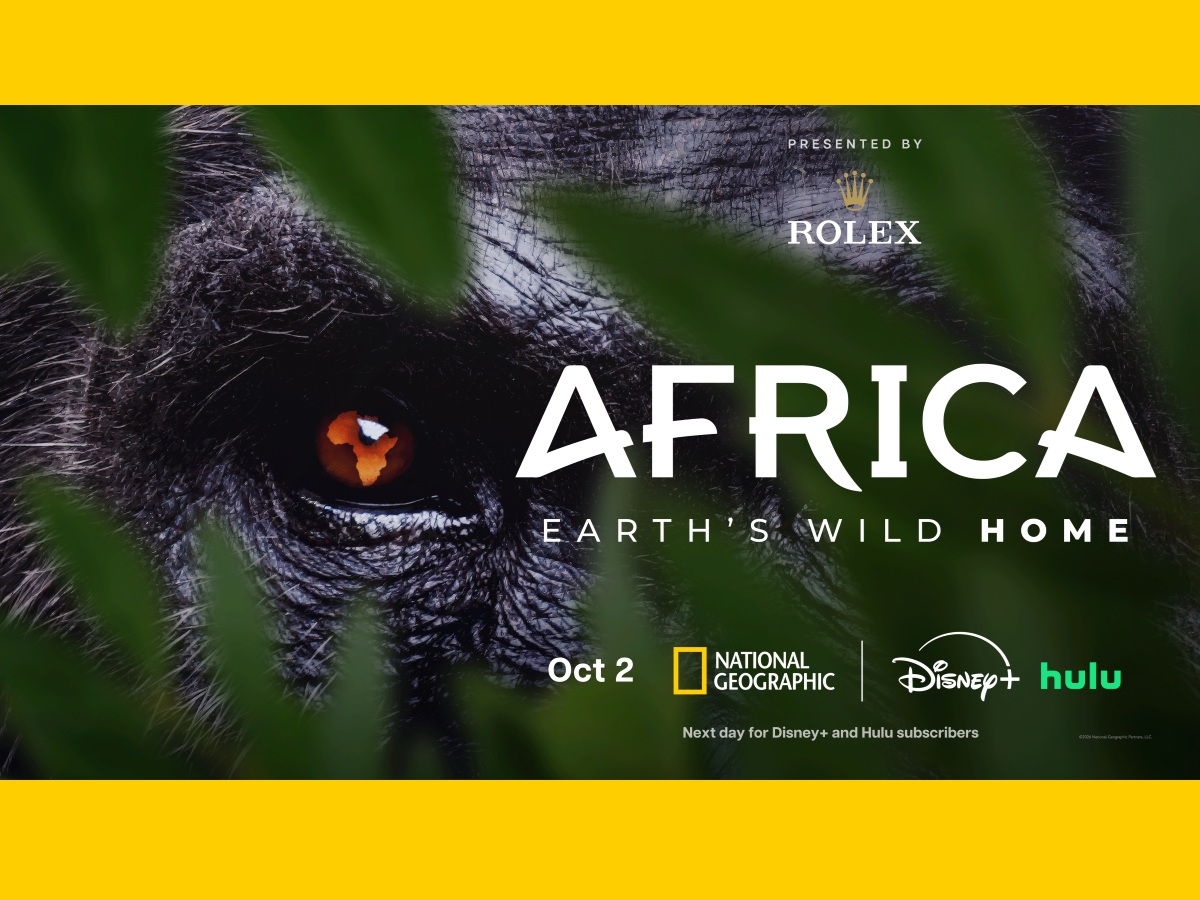
Africa has always fascinated me. It is a continent with hundreds of mountain ranges, thousands of miles of rivers, and millions of square miles of forests with climates ranging from dry hot deserts to cold highlands. This beautiful land is home to many different species of flora and fauna, some found no where else in the world. Someday I would like to see this magnificent continent for myself. Until then, I will learn about it virtually. National Geographic will help feed my curiosity with its latest series, Africa: Earth’s Wild Home.
What Is Africa: Earth’s Wild Home?
National Geographic’s new seven-part docuseries, Africa: Earth’s Wild Home, launches an ambitious multiyear franchise that will document our planet continent by continent at a moment when that planet is changing faster than ever. It is a singular creative partnership, uniting National Geographic’s world-class natural history storytelling, the National Geographic Society’s global community of Explorers and scientists and Rolex’s Perpetual Planet Initiative in a commitment to the natural world — to capture Earth’s wild places and the people protecting them for generations to come.
Filmed over almost four years across nearly 30 countries, the series documents species and behaviors for the first time, including the elusive black rain frog, filmed for TV for the first time, and hyenas in the Congo hunting elephants at night. The series also features extraordinary footage of a rare wild African black panther and chimpanzees using unique tools to fish for algae. Spanning deserts, forests, jungles, mountains and islands, the series reveals how Africa’s wildly varied ecosystems shape the animals that live in them, driving epic stories of adaptation, resilience and survival. Each episode closes with an Explorer Spotlight, featuring the scientists, photographers and National Geographic Explorers behind the discoveries whose fieldwork continues to reshape our understanding of the continent’s wildlife.
The series culminates in a powerful finale that turns from wildlife to the people fighting to protect it: rising African conservation leaders, community-led initiatives and groundbreaking researchers. Both the episode and the series build on a unique partnership between National Geographic and Rolex, continuing more than 70 years of collaboration. Academy Award nominee Wunmi Mosaku (“Sinners,” “Loki,” “Lovecraft Country”) executive produced and narrated the landmark series, bringing depth and emotional resonance to its sweeping exploration of Africa’s extraordinary wildlife and landscapes. Mosaku guides viewers through remarkable stories of survival and adaptation. Africa: Earth’s Wild Home is produced by BBC Studios Natural History Unit for National Geographic.
Africa: Earth’s Wild Home premieres Friday, October 2nd at 8:00 p.m. EDT/PDT with the first four episodes and then the final three episodes the next day. All episodes begin streaming October 3rd on Disney+ and Hulu. Let’s take a look at the six episodes:
Welcome to Africa
Africa is an extraordinary continent. It is home to the planet’s greatest gatherings of wildlife and every imaginable habitat. From deserts and mountain peaks to dense jungle and exotic islands, all life here is shaped by the place it calls home. In this dynamic land, animals must be ready to adapt.
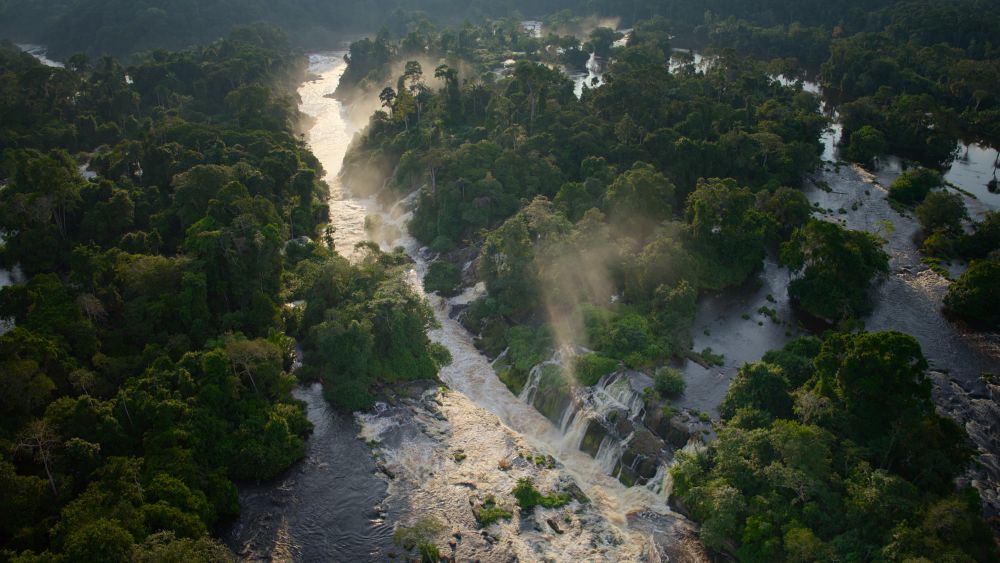
Jungle
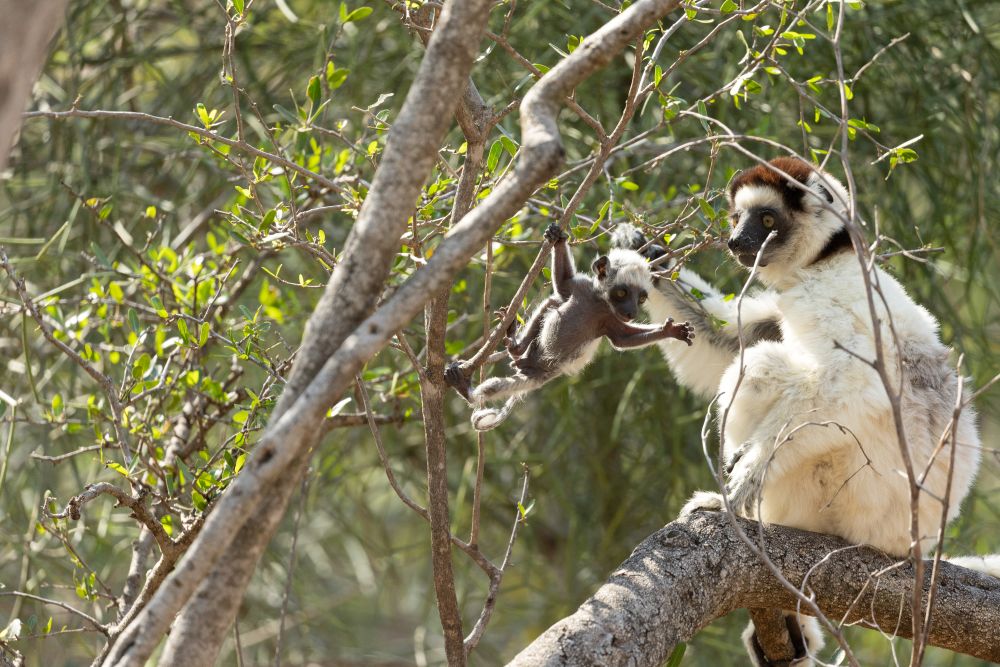
Islands
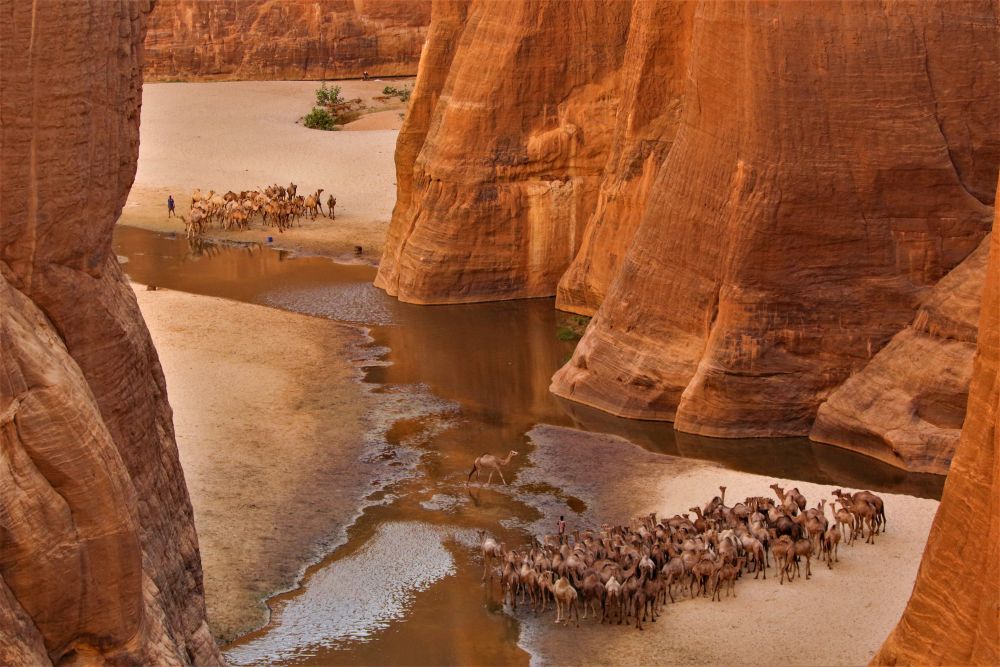
Desert
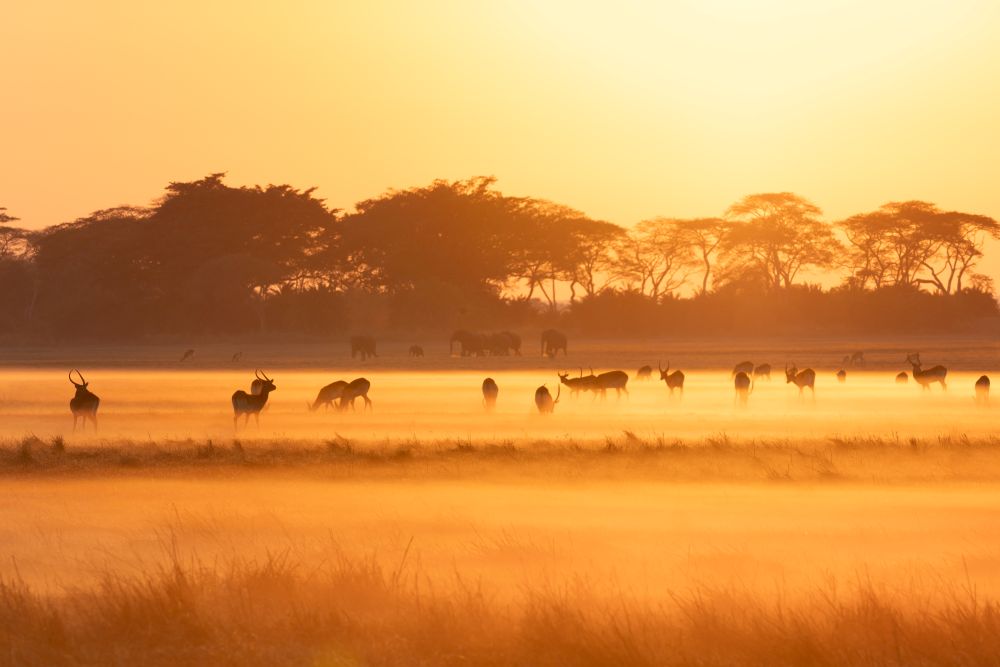
Plains
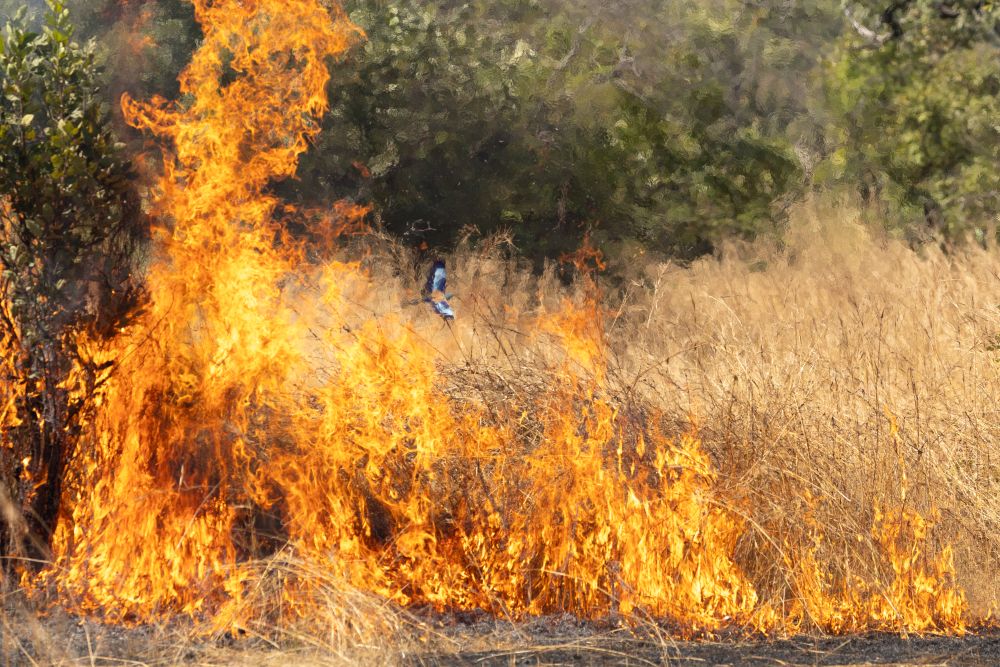
Extremes
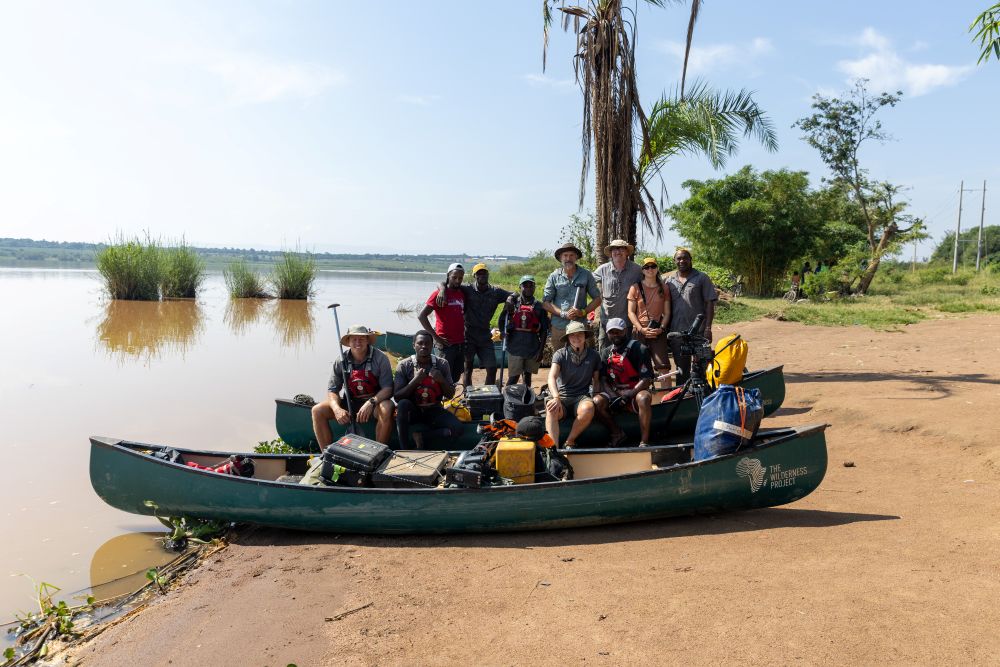
Africa’s Wild Future
Why You Should See Africa: Earth’s Wild Home
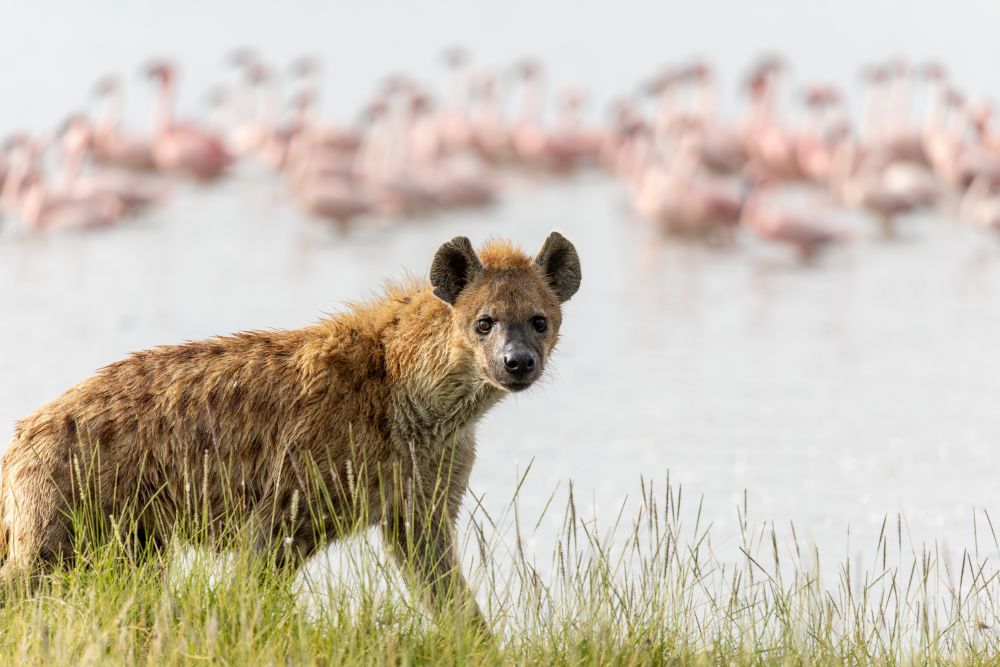
Africa: Earth’s Wild Home is a spectacular series. Not only did I thoroughly enjoy watching all seven episodes, I also learned a lot along the way. I am always amazed at the beautiful cinematography of National Geographic productions whether it is aerial shots of rivers and waterfalls or close up shots of insects. However, what really brings it together is the storytelling. The first episode opens with a young male hyena trying to catch a flamingo for a meal. I found myself not just watching animals in nature, but actually rooting for the hyena as he must overcome challenges to catch food in order to survive. Each episode features a part of Africa and features several stories told about a variety of different animals. As a high school science teacher, I can’t wait to show parts of several episodes to my students to bring our lessons to life.
Whether you are a fan of nature documentaries or not, I highly recommend Africa: Earth’s Wild Home. It is much more than just a documentary about animals. It is an entertaining production that brings a far away continent into your living room or onto the screen of your portable device. However, if possible, go for the largest screen you can access. It is a great show to watch as a family and the last episode which focuses on conservation efforts can lead to some wonderful discussions on how humans are affecting nature and what we can do to help preserve the wildlife.
Be sure to watch Africa: Earth’s Wild Home when it premieres premieres Friday, October 2nd at 8:00 p.m. EDT/PDT on National Geographic and begins streaming the next day on Disney+ and Hulu. Here is a trailer for the series.


