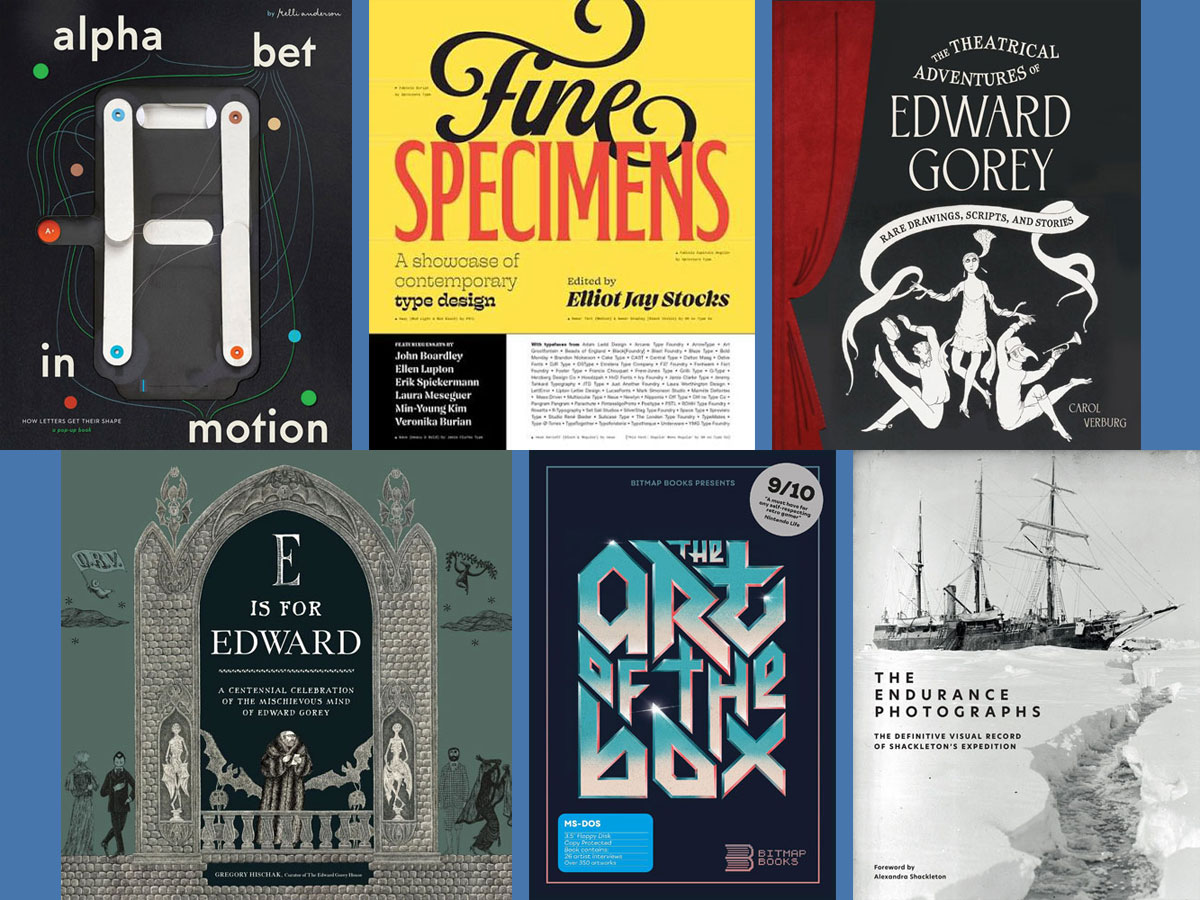
I love oversized coffee table books, even though I don’t have a good place for them—even before our coffee table got commandeered as a TV stand, it was always in use for something—crafts, sometimes a jigsaw puzzle (though even that required clearing off something else), the random detritus that accumulates on every surface in a house with kids. So, for most big art books, I have to settle for more of a catch-and-release approach: flip through it and enjoy the experience, and then let it go to some other (probably more sparsely decorated) home.
Today’s stack includes several big books from the past year or two that will probably look lovely on your coffee table, assuming it’s less cluttered than mine!
Disclosure: Affiliate links to Bookshop.org help support my writing and independent booksellers. I received copies of these books for review.
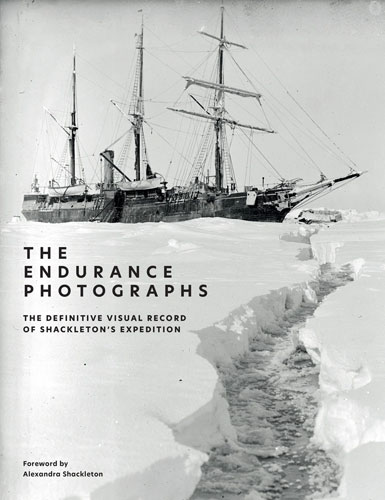
The Endurance Photographs: A Definitive Visual Record of Shackleton’s Expedition
Sir Ernest Shackleton’s expedition to Antarctica was supposed to cross the continent, but the Endurance got trapped in ice and then crushed; the crew spent two years making the journey back to safety. During that time, Frank Hurley, the official photographer, not only documented the expedition but managed to save hundreds of his glass negatives. Some of these photographs have been displayed before, but the ones in this book have been scanned directly from the negatives held by the Royal Geographic Society at the highest resolution and printed at a large scale so you can see the remarkable details. There are over 50 of these photographs, and then in the back there are thumbnail prints of “all known extant Hurley’s negatives.”
There’s a foreword by the Honorable Alexandra Shackleton, Ernest Shackleton’s granddaughter, plus essays from several other experts on photography, Shackleton’s expedition, and more. It’s a stunning book. Hurley’s photographs capture the various everyday activities during the journey, the stark beauty of the frozen landscape, and the increasingly harrowing conditions of the men after the loss of the Endurance.
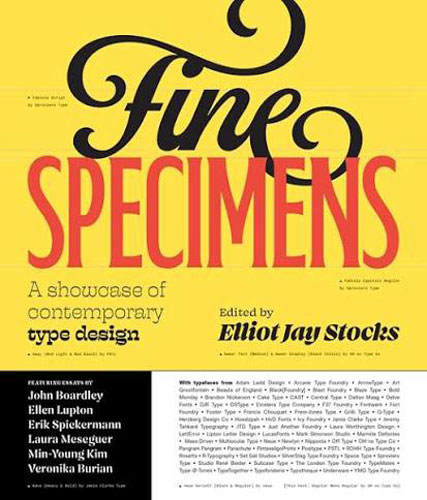
Fine Specimens: A Showcase of Contemporary Type Design edited by Elliot Jay Stocks
Here’s one for the font nerds! Specimens—as I learned from the introduction—are the graphics made by a type foundry to show off a new font: they could be anything from a social media post to a printed book. As Stocks explains, a great specimen doesn’t always mean a great font, and vice versa, but this book includes a bit of both. It’s also a mix of veteran type designers and emerging designers; the primary limiting criteria is that all of these fonts were released or were significantly updated since 2023.
Each font gets a one- or two-page spread, with a small amount of commentary from Stocks, and it’s a delight to flip through, not only to see the variety of typefaces on display, but also the various ways that specimens are presented: photographs of the font in use on packaging, mocked-up book covers, computer interfaces, and more. There are also a few essays scattered throughout the book about type design—the making of a specimen, an exploration of serifs, some thoughts on multi-language typefaces. This is one I’m going to hang onto for a while so I can digest it a little more.
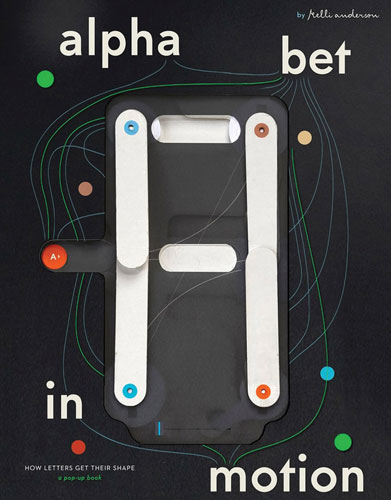
Alphabet in Motion: How Letters Get Their Shape by Kelli Anderson
This huge pop-up book was originally funded through a Kickstarter campaign that raised about $275k. Each letter (or sometimes a pair of letters) is used to introduce some feature or character of a letter. “A letter is Ancient.” “A letter is Blocks Left by Technology.” The elaborate pop-ups demonstrate the difference between metal type, bitmap type, and anti-aliasing. A Noorzij cube shows off 125 different versions of a lowercase “e” along the three axes of weight, contrast, and type of contrast. And if that weren’t enough, there’s a companion book of essays that comes along with it: each of the concepts from the pop-up book gets its own essay with additional illustrations and photographs and diagrams. One caveat: if you’ve got little kids, this is a pop-up book that you’ll probably want to assist with, because some of the interactive components might need a little explanation and and parental guidance.
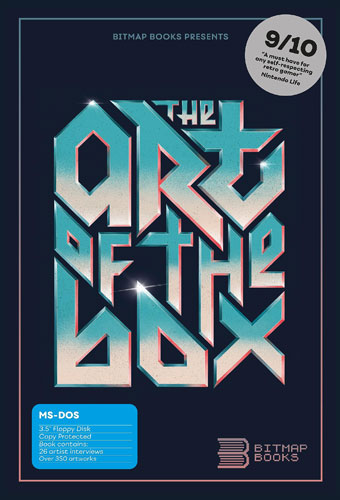
The Art of the Box edited by Steve Jarratt
This huge, heavy tome from Bitmap Books is about box cover art for videogames, featuring 350 pieces that are presented without the title logos and other additional text and formatting (unless it was actually part of the illustration). It’s not a comprehensive box art history by any means—rather than overall breadth, it goes for depth by showcasing 26 artists and telling their stories, often including some other pieces that they worked on like magazine covers. There are plenty of games that I wasn’t familiar with, but also some favorites (like the Atari artwork by Steve Hendricks). As a fun bonus, the back of the book includes thumbnail screenshots of all the games featured in the book, so you can compare the cover art to the actual game graphics (which usually pale in comparison!).
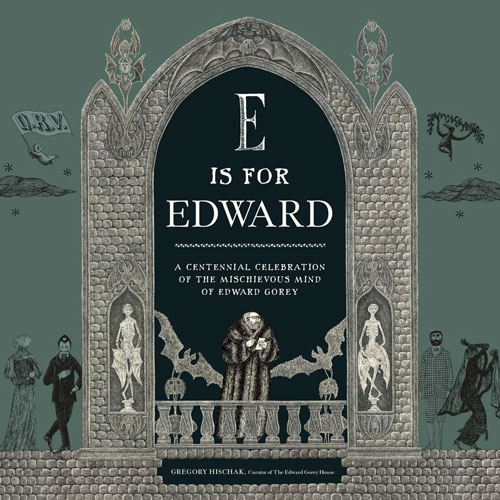
E Is for Edward by Gregory Hischak
Last year was Edward Gorey’s 100th birthday, though I’m sad to say I missed writing up these next two books in a timely manner. E Is for Edward is a really massive tome—a big square book of nearly 400 pages—but certainly this master of the macabre deserves no less. Hischak is the director and curator of The Edward Gorey House, and the book includes hundreds of Gorey’s pieces, some previously unpublished, and is chock-full of the weird and wondrous worlds that he created. I was always drawn to Gorey’s work, whether they were stories he wrote himself or his illustrations for the John Bellairs books that creeped me out as a kid. This is a treasure trove that any fan of Edward Gorey will enjoy immersing themselves in.
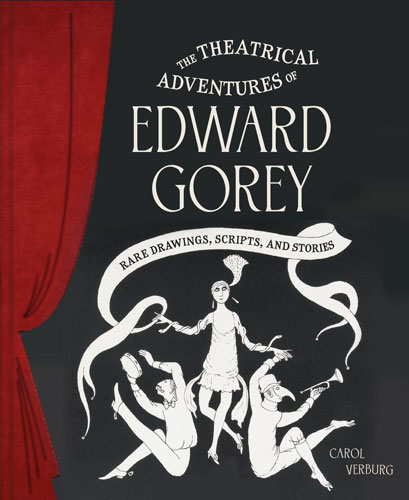
The Theatrical Adventures of Edward Gorey by Carol Verburg
While we’re on the subject of Edward Gorey: I’d mostly thought of him as an author and illustrator, but he was also a playwright and stage designer and had a whole other career in theater. This book collects a sampling of his theatrical work—stage designs, notebook sketches, scripts, and other bits and bobs—like the little fabric animals he made for the people in his shows. It’s a window into a side of Gorey that I hadn’t known much about, filled with plenty of Verburg’s own stories about working with Gorey.
My Current Stack
I’m currently just making my way through various piles—I’ve still got more AI-related books, and I’ve made two more themed stacks, one of books about books, and the other about various types of games. I’ll see which one I manage to finish first for my next column!

Jonathan H. Liu

Jonathan H. Liu is a stay-at-home dad in Portland, Oregon, who loves to read, is always up for a board game, and has a bit of a Kickstarter habit. I can be reached at jonathan at geekdad dot com.