

I first learned about a doomed Roman city that was destroyed by a volcano back in the 1979 when an episode of the popular TV show In Search Of told the story of Pompeii. The fact that an entire population of a city could be buried beneath volcanic ash and preserved for centuries fascinated me so I searched out books on the subject at my school library. I have always been interested when new information is revealed about Pompeii. Recently I learned that National Geographic was producing a series to discover if people could have survived the eruption of Mt. Vesuvius back in 79 A.D. I had to find out more about Pompeii: Out of Time with Tom Hiddleston.
What Is Pompeii: Out of Time with Tom Hiddleston?
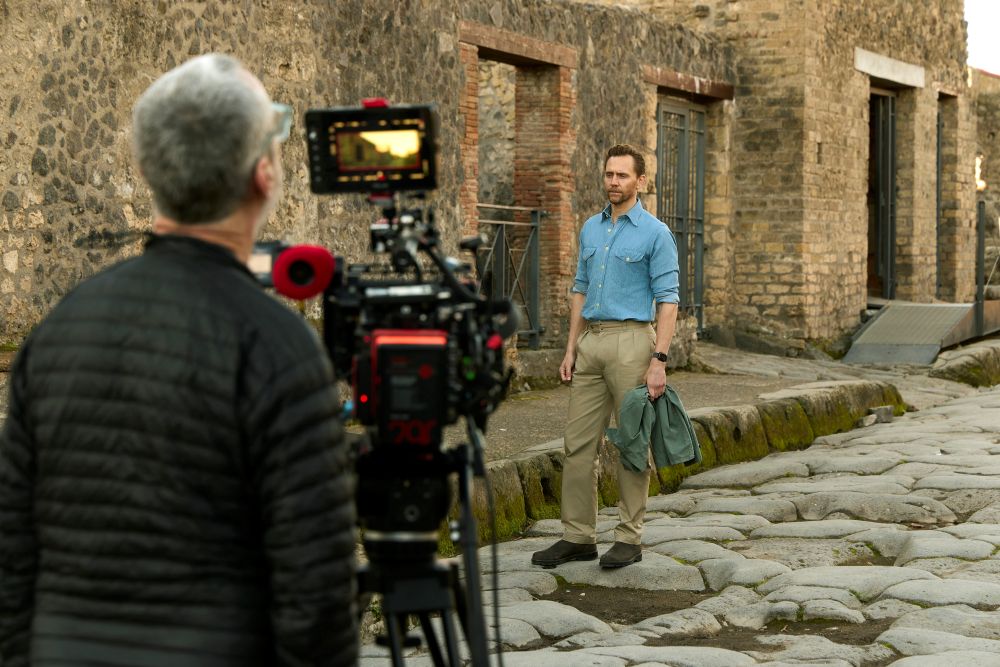
Pompeii: Out of Time with Tom Hiddleston is a three-episode nature documentary series narrated and hosted by Tom Hiddleston who played Loki in several Marvel motion pictures as well as television series. Hiddleston and Loki executive producer Kevin R. Wright reunite for this series which is a fusion of cinematic scripted drama and investigative documentary storytelling that transports audiences to ancient Rome in the hours before and during the eruption of Mount Vesuvius. Guided by a team of archaeologists, historians, geologists and disaster experts, Tom uncovers remarkable evidence — and the stories of real people that challenge long-held assumptions about Pompeii and its final hours — not least revealing that many of those caught up in the disaster had the chance to survive. Blending cutting-edge archaeological discoveries, expert analysis and deeply personal storytelling, the series reframes Pompeii not as a story of destruction but as a human drama of resilience, sacrifice and survival, revealing the lives, choices and destinies of those who stood in the shadow of Vesuvius.
Let’s take a look at the three episodes:
Tremors
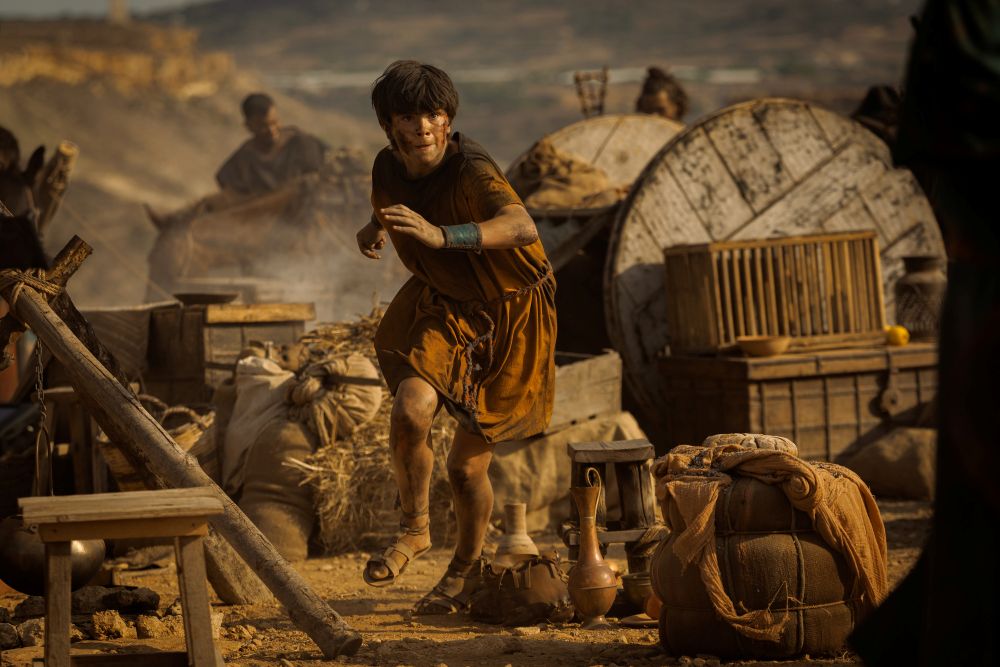
As Vesuvius begins to stir, Tom Hiddleston asks a crucial question: Will anyone recognize the warning signs in time? Tracing two real Romans — a teenage apprentice and a formidable businesswoman — he uncovers a city carrying on as earthquakes intensify. With the clock already ticking, Tom investigates why people ignore danger and whether these first decisions sealed their fate.

Eruption
Survival
Why You Should Pompeii: Out of Time with Tom Hiddleston
Pompeii: Out of Time with Tom Hiddleston offers a new look at a familiar story. The series uses several experts in a variety of fields to consider evidence and practices to create stories for three different people who may have survived the disaster. A classicist uses a database of documents and writings discovered in Pompeii and other Roman areas and identifies people who lived in Pompeii at the time of the eruption. A geoscientist explains how Vesuvius erupted as well as what warning signs there might have been. An archeologist uses artifacts and sites as well as an understanding of Roman life during the period to gain a better idea of what life was like for these people in Pompeii and who they were. Hiddleston even brings in a disaster psychologist to help understand how people react during an extreme event or disaster to explain the actions of the Pompeiians as the volcano is erupting. Together these experts help Tom piece together possible stories for the three people.

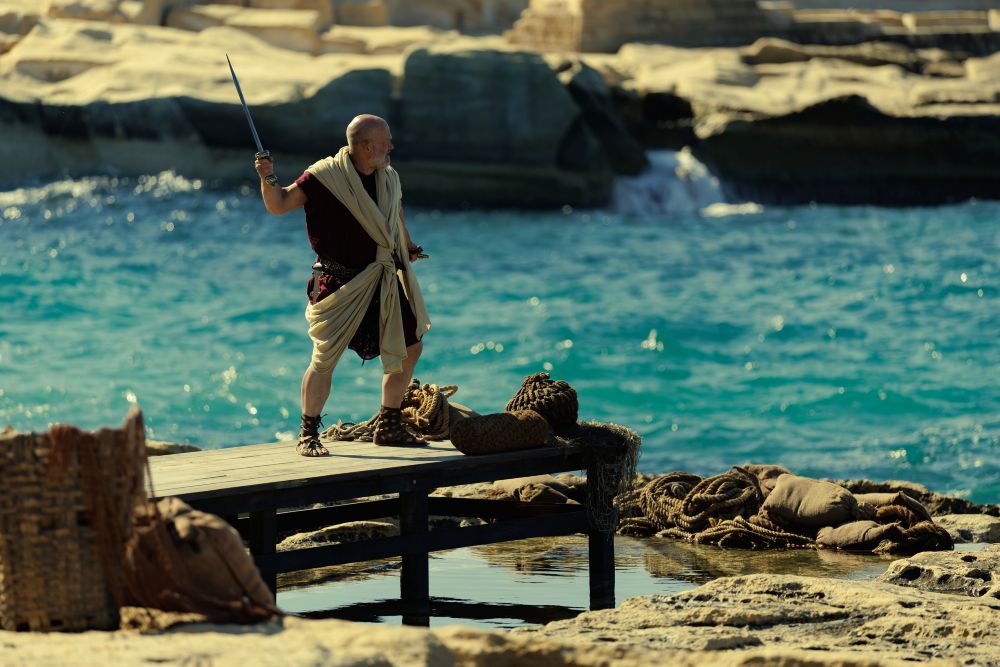
The series combines interviews with the experts, on scene narrations within the ruins of Pompeii, and well-done re-enactments that help take the information on these three people and bring them to life. As a history major and history teacher, I was fascinated how the investigation pieced together bits of data and connected them to tell a story that has not been told until now. I had always believed that Pompeii was covered in ash so quickly that the people never had time to escape. However, Hiddleston shares that the covering of the town took almost an entire day. So there must have been time for people to escape. Though many died, there were buildings in Pompeii that appeared to have been evacuated. As with most productions for National Geographic, the producers, directors, and writers do a wonderful job of taking what could be dry history and fleshing out a story that not only educates but also entertains. I have had the opportunity to preview many different shows and series by National Geographic and this one has become one of my favorites. Hiddleston does an excellent job narrating and hosting the series and injects a bit of humor during interviews and explanations. Not only does this series offer a possible story of some of the people of Pompeii, it also offers a look at human behavior which is the same today as it was 2,000 years ago. I thoroughly enjoyed watching Pompeii: Out of Time with Tom Hiddleston and highly recommend it for everybody.
For more information on Pompeii, Natgeo.com has published a major story on three Roman cities buried by Mount Vesuvius in A.D. 79, which will be featured in the August issue of National Geographic magazine. Using AI and advanced DNA analysis, researchers are uncovering new insights into ancient Roman life: class and gender dynamics at Oplontis, previously unreadable lost writings from Herculaneum’s carbonized scrolls, and diet and disease from a Pompeii latrine. The findings reveal a society surprisingly preoccupied with inequality, health and the pursuit of a fulfilling life.
Be sure to watch Pompeii: Out of Time with Tom Hiddleston when it premieres Wednesday, July 22 at 8/7c on National Geographic and begins streaming the next day on Disney+ and Hulu. Here is a trailer for the series.


