Back in 2024, I was teaching a high school Geography class to freshmen. We were finishing a unit on physical geography where we learned about earthquakes and the Pacific Ring of Fire. One of the topics was how earthquakes that occurred under the sea could cause tsunamis. As the students tried to understand how dangerous these massive waves could be, I had difficulty finding examples to show them. Shortly thereafter, we were out of school for winter break. During that break, on the day after Christmas, a magnitude 9.2-9.3 earthquake shook the earth. The epicenter was located off the western coast of Indonesia. The earthquake caused a tsunami with waves of up to 100 feet high. Over 200,000 people were killed. I remember when we returned to school, the students wanted to know more about it and we watched videos of the devastation that we could not have imagined only a few weeks earlier. Now, National Geographic takes us back to that tragic event in Tsunami: Race Against Time.
What Is Tsunami: Race Against Time?
Marking 20 years since one of the deadliest natural disasters in history which spanned 14 countries, Tsunami: Race Against Time provides a 360-degree view into the heart-stopping events of the 2004 Indian Ocean tsunami. The powerful series, from executive producers Tanya Winston and Danny Horan of multi-award-winning Blast Films and directed by Daniel Bogado, Emmy Award-winning filmmaker of Nat Geo’s 9/11: One Day in America, features personal accounts from survivors, scientists who raced against time to understand the catastrophic disaster and warn the world, journalists who broke the shocking news, and the fearless rescuers who risked their lives to save others. Told through harrowing video and gripping stories of survival and courage–some both seen and heard for the first time–the four-part series offers a comprehensive and immersive look at the destructive wave as it surged across the ocean, leaving a trail of devastation in its wake.
The series premieres on National Geographic TV on Sunday, November 24th, and begins streaming on Disney+ and Hulu the following day. Let’s take a look at the three episodes in this series.
“The Wave”
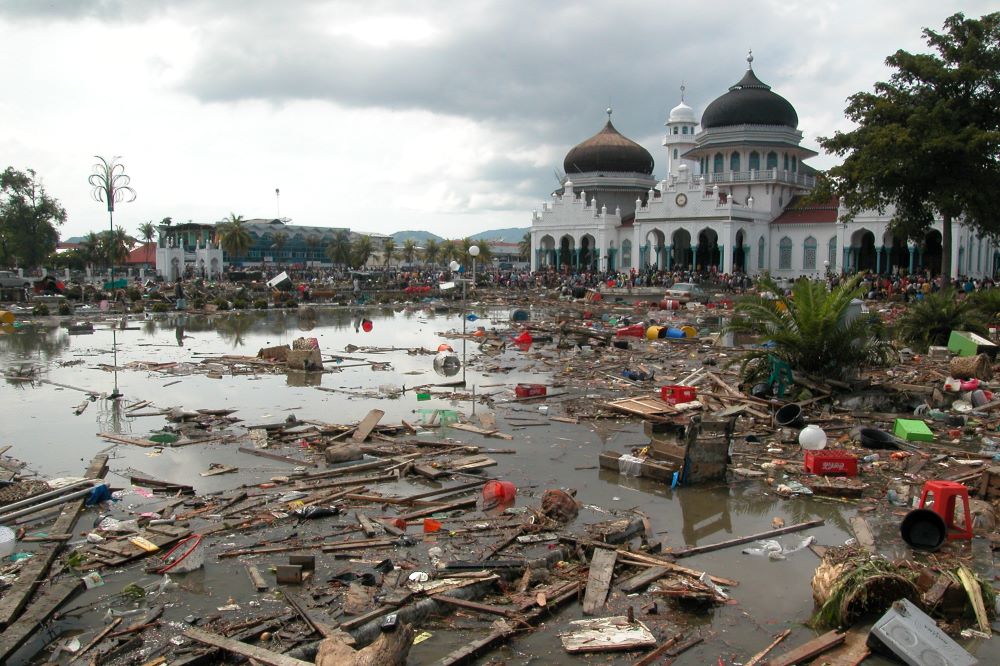
A massive earthquake in the Indian Ocean sets off a tsunami that, within minutes, arrives in the bustling city of Aceh, causing unprecedented havoc and devastation. This film follows the desperate struggle to survive of city dwellers in Indonesia, a family in Thailand caught in the unfolding catastrophe, and the scientists working against the clock to warn the world.
“Thailand”
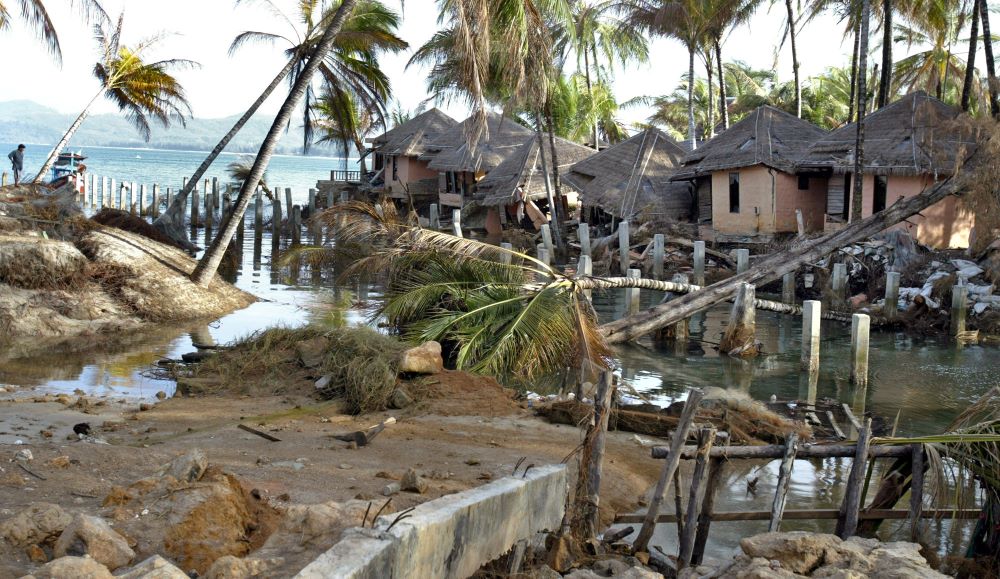
After a massive earthquake triggered the deadliest tsunami in recorded history, multiple waves hit Thailand. As the beaches are pummeled by unstoppable torrents of water, locals and tourists work together to save lives. In the chaotic aftermath, survivors separated by the waves desperately search for their loved ones.
“Breaking News”
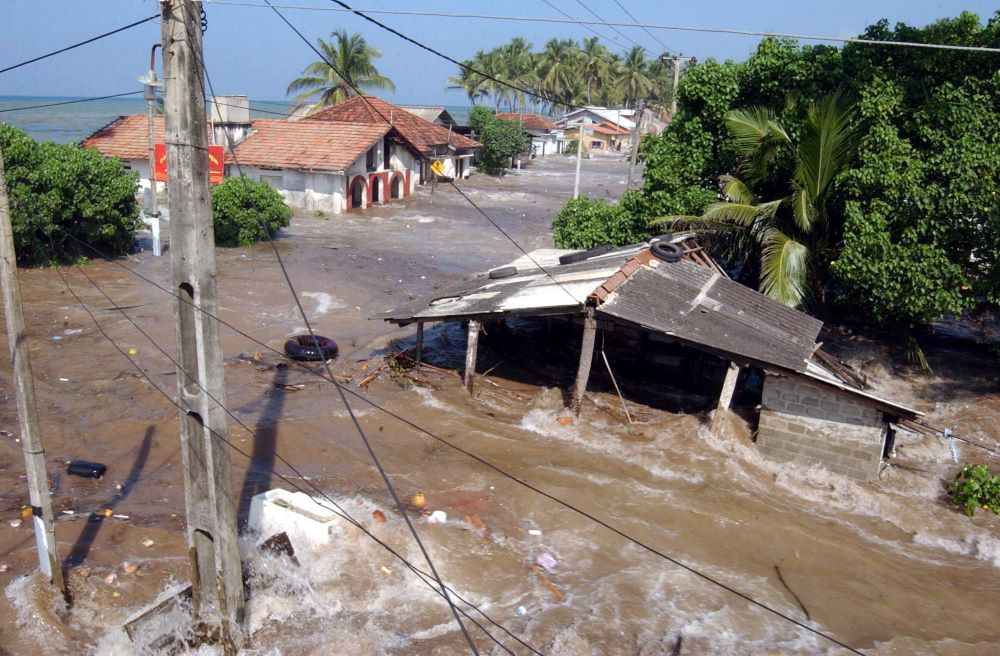
The tsunami hits Sri Lanka. A 1000 miles from the earthquake’s epicenter, waves wreck a train and destroy coastal cities. Doctors fight to save every life they can. As disaster spreads across the entire Indian Ocean, journalists race to break the news to the world, and people wake up to the devastating reality that their loved ones have been swept away.
“Rescue”
In the aftermath of the deadliest tsunami in history, survivors become stranded on an island devastated by the force of the waves. With hundreds of casualties, people from around the world must work together to save lives. Against all odds, they manage to pull off some of the most miraculous rescues of the day. But as the water recedes, the true scale of the global calamity becomes clear.

Watch Tsunami: Race Against Time
During the three years of working on the film, the producers unearthed approximately 300 hours of archival footage, including many never-before-seen moments, from around the world and conducted interviews with over 100 individuals, some speaking on the record for the first time about their experience. As a result of this massive effort by the filmmaking team, Tsunami: Race Against Time tells a definitive story of the devastating events of December 26, 2004.
The series not only offers a comprehensive exploration of the tsunami’s impact as it surged, leaving a deadly trail throughout 14 countries but also shines a light on the remarkable acts of bravery and sacrifice throughout the disaster. It weaves together compelling stories of survival and heroism, featuring scientists who raced against time to understand and warn the world, journalists who uncovered the shocking reality, fearless rescuers who risked their lives to save others, and survivors who faced the unimaginable.
In addition to expertly connecting archival footage with first-person testimony, Tsunami: Race Against Time used billions of raw data points provided by the National Oceanic and Atmospheric Administration (NOAA) to create a high-resolution, moving simulation seen throughout each episode. They also worked in careful collaboration with scientists, local experts, and survivors to establish timings for the arrival and spread of successive tsunami waves on the day across multiple affected coastlines.
As I watched Tsunami: Race Against Time, I was brought back 20 years to my Geography class as we tried to comprehend the massive power of tsunamis and the destruction they can cause. I wish I could have had the simulations contained in this series to help explain and illustrate how these massive waves are formed, travel across the ocean, and how they rise up as they hit land. As with almost every National Geographic presentation I have watched, I was very impressed with Tsunami: Race Against Time. I recommend this series and plan to show parts of it to my students when we study Earth Science.
Be sure to watch Tsunami: Race Against Time when it premieres Sunday, November 24th on National Geographic and begins streaming on Disney+ and Hulu the following day. Here is a trailer to enjoy in the meantime.